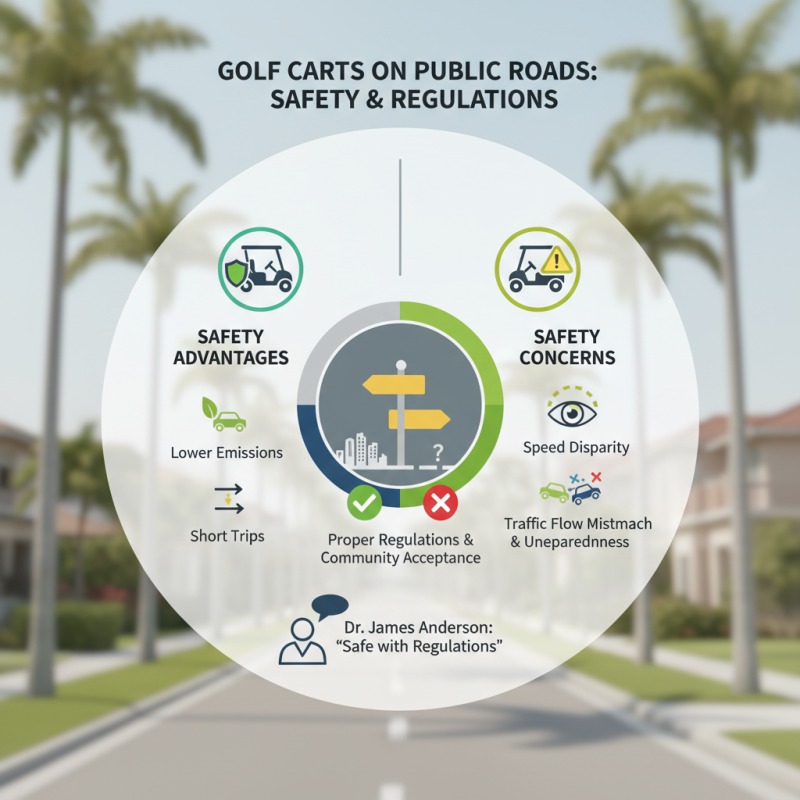
Can golf carts be used on public roads? This question has gained attention as many communities embrace these vehicles for short trips. Experts like Dr. James Anderson, a transportation safety advocate, emphasize, "Golf carts can be safe on public roads if proper regulations are in place."
As communities evolve, so do the discussions around golf carts' legality and safety. These vehicles offer unique benefits, such as easy maneuverability and lower emissions. However, concerns about speed and visibility remain. Golf carts typically travel at lower speeds, which may not align with the flow of traffic. This disparity can create dangerous situations.
Local laws vary significantly regarding the use of golf carts on public roads. Some areas welcome them, while others impose strict regulations. This inconsistency raises important questions. Are communities prepared for the influx of golf carts? Will drivers adhere to safety precautions? These factors contribute to the ongoing debate about golf carts on public roads.
Can Golf Carts Be Legally Driven on Public Roads?
Golf carts are becoming increasingly popular not only on golf courses but also on public roads. Many states in the U.S. allow golf carts to be driven legally on certain public roads, provided they meet specific criteria. These criteria can include safety features such as headlights, turn signals, and seat belts. Additionally, many jurisdictions require drivers to be of a certain age and possess a valid driver's license.
However, the legality of driving golf carts on public roads varies significantly. Some areas permit it in designated zones, while others have stricter regulations. Local laws might restrict where and when you can operate a golf cart. Ignoring these regulations can lead to fines or other penalties. It's essential to check the local ordinances before hitting the road.
While golf carts offer a convenient way to navigate short distances, safety is a concern. They often lack the power and speed of conventional vehicles, which can pose risks in high-traffic areas. Drivers must remain cautious and aware of their surroundings. Additionally, their smaller size may make them less visible to larger vehicles. Responsible driving and adherence to local laws are vital to ensure safety on public roads.
Can Golf Carts Be Driven on Public Roads Safely? - Can Golf Carts Be Legally Driven on Public Roads?
| State |
Legality of Golf Carts on Roads |
Required Features |
Speed Limit |
Insurance Requirement |
| Florida |
Yes, in certain areas |
Headlights, turn signals, brake lights |
20 mph |
Liability insurance required |
| California |
Yes, in low-speed areas |
Headlights, mirrors, seat belts |
25 mph |
No insurance required, but recommended |
| Texas |
Yes, in designated areas |
Headlights, reflectors, brake lights |
30 mph |
No minimum insurance requirement |
| Arizona |
Yes, in certain municipalities |
Headlights, turn signals, horn |
15 mph |
Liability insurance required |
| New York |
Generally not permitted |
N/A |
N/A |
Not applicable |
Key Safety Features of Golf Carts for Road Use
Golf carts have become more popular for road use in various communities. Their safety features play a crucial role in making them roadworthy. Standard elements include seat belts, reflective indicators, and rearview mirrors. These features enhance visibility and protection for both drivers and passengers. Many modern carts also have headlights and taillights for nighttime driving, which is essential for safety.
However, some challenges arise when determining safety standards. Golf carts are often lighter and slower than regular vehicles. This difference can lead to collisions if not carefully monitored. The lack of standardized regulations across different regions can create confusion. While some carts may meet local road safety requirements, others may not. It’s vital for drivers to understand their cart's capabilities and limitations before hitting the road.
Communities should evaluate traffic patterns and roadway conditions. Golf carts may not be suitable for high-speed areas or heavy traffic. Educating drivers about safe practices is essential. Understanding the environment is equally important to ensure safety for all road users. Better awareness can prevent accidents and make golf carts a safe choice for short trips.
Statistics on Golf Cart Accidents vs. Standard Vehicles
Recent statistics shed light on the safety risks of driving golf carts on public roads.
According to the National Safety Council, there were approximately 15,000 golf cart-related injuries in the U.S. last year.
This figure is alarming when compared to standard vehicle accidents.
While cars and trucks are involved in millions of crashes, golf carts have a higher injury rate per mile driven, especially in residential areas.
Over a five-year period, data from state transportation departments revealed that golf carts have a higher likelihood of severe injury in accidents than conventional vehicles.
In fact, incidents involving golf carts resulted in serious injuries over 20% of the time, compared to roughly 12% for standard cars.
Factors such as lack of safety features, lower visibility, and proximity to traffic contribute to these statistics.
Despite their popularity in golf communities, the data raises concerns.
Many drivers underestimate the potential dangers of traveling on busy roads.
Additionally, a significant portion of golf cart users are unaware of existing safety regulations.
It's crucial for both drivers and community planners to consider these factors in order to enhance safety measures for all road users.
State Regulations Governing Golf Cart Operation on Roads
Golf carts have become a popular mode of transportation in various communities. However, the legality and safety of driving these vehicles on public roads depend on state regulations. Many states have specific laws governing their use. Some allow golf carts on roads with speed limits of 25 mph or lower. Others may restrict their usage to designated areas.
Before hitting the road, drivers must understand the local regulations. Licensing might be required in some states, while others may not have this requirement. Furthermore, safety equipment, such as seat belts and lights, is often mandated. Inexperienced drivers may find it challenging to navigate alongside regular traffic safely.
It’s essential to remember that golf carts are not designed for highway speeds. They lack the structural integrity of full-sized vehicles. This can lead to dangerous situations if drivers are not vigilant. Local authorities may enforce penalties for drivers who fail to comply with regulations. As golf cart usage grows, so does the need for awareness about safety and legality on public roads.
Best Practices for Safe Golf Cart Driving on Public Infrastructure
Golf carts can provide a convenient mode of transportation on public roads, but safety must be a priority. According to the National Highway Traffic Safety Administration (NHTSA), golf cart-related accidents are increasing. In 2021, about 1,000 injuries and multiple fatalities were reported. To reduce these incidents, implementing best practices is crucial.
Adhering to local regulations is essential. Many municipalities allow golf carts on public roads under specific conditions. Ensure your cart has proper safety features, such as seat belts and lights, and always drive within designated speed limits. A recent study indicated that over 40% of golf cart accidents involved speeding. This statistic underscores the importance of maintaining a safe pace.
**Tips:**
- Always yield to pedestrians. Watch for walkers and cyclists on shared paths.
- Maintain visibility. Use reflective gear and keep lights on at dusk or dawn.
- Conduct regular maintenance to avoid breakdowns, which can lead to dangerous situations.
Understanding the limitations of golf carts is also vital. They are not designed for high-speed travel. In some cases, drivers might feel overconfident. This overconfidence can lead to risky behaviors, further increasing accident likelihood. Balancing enjoyment and safety is key to responsible golf cart use.
FAQS
: Yes, in some areas, you can drive golf carts legally, but it depends on local laws and regulations.
Important features include seat belts, headlights, turn signals, and mirrors to enhance visibility and safety.
Many jurisdictions require drivers to be of a certain age and possess a valid driver's license.
Golf carts are slower and less visible, making them vulnerable to accidents in high-traffic areas.
Golf carts have a higher injury rate per mile, especially in residential areas, highlighting their safety risks.
Lack of safety features, lower visibility, and proximity to faster vehicles contribute to golf cart accidents.
Educating drivers on safe practices and understanding local traffic patterns can enhance safety for all road users.
No, there is no standardized regulation across regions, creating confusion over what is roadworthy.
Conclusion
The question of whether can golf carts be used on public roads has garnered attention, especially as many communities seek alternative transportation methods. Legally, the use of golf carts on public roads varies by state, with specific regulations outlining permissible local roadways. To maximize safety, it is crucial that golf carts are equipped with key features such as lights, turn signals, and reflectors, which can enhance visibility and reduce the risk of accidents.
Statistics indicate that while golf cart accidents occur, their rates are generally lower compared to standard vehicles. However, understanding state regulations and adhering to best practices, such as wearing seat belts and staying within designated areas, is essential for safe driving. Ultimately, with proper safety measures and compliance with local laws, golf carts can be a viable option for safe travel on public infrastructure.

 Golvaris Car