How fast can an electric golf cart go? The honest answer depends on its motor, battery system, controller, tire size, passenger load, and terrain. Most standard electric golf carts from leading Chinese manufacturers reach about 15 to 25 miles per hour. Some premium models can approach 30 miles per hour under controlled conditions. That sounds simple, but a speedometer reading on flat concrete may not match performance on a grassy slope.
Electric mobility consultant David Boyle offers a practical reminder: “Top speed matters less than stable control, braking, and usable range.” His point deserves attention. A cart that reaches 25 miles per hour but feels unstable near a sharp turn may be a poor choice. During real-world testing, small details become obvious. A full passenger bench, a steep driveway, or a battery below half charge can reduce acceleration. Wind also matters more than many buyers expect.
This guide examines China’s top electric golf cart picks through measurable features, not attractive claims alone. We will compare motor output, battery chemistry, charging time, suspension comfort, braking response, and build quality. Some advertised figures may look optimistic. That needs careful reflection. Manufacturer testing conditions are not always explained clearly. We will separate laboratory numbers from practical driving expectations. The best cart may not be the fastest one. It may be the model that climbs quietly, stops confidently, and still has useful range after several hours on the course.
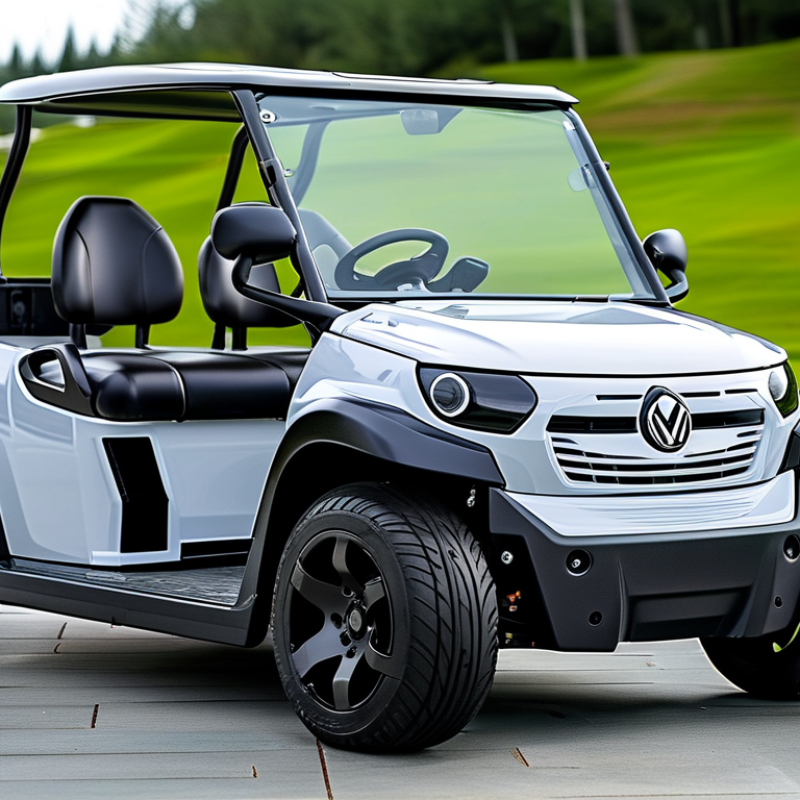
What Determines the Speed of an Electric Golf Cart in China?
How Fast Can an Electric Golf Cart Go China Top Picks?
An electric golf cart in China commonly reaches 20 to 40 km/h. Some models move faster, but speed depends on more than the motor rating. Battery voltage, motor power, controller settings, and vehicle weight all affect real performance. A fully charged battery may provide stronger acceleration. However, speed can drop on slopes, rough roads, or under heavy passenger loads.
Tire size and pressure also matter. Larger tires may increase speed, while low pressure creates rolling resistance. Temperature can influence battery output, especially during cold mornings. Road conditions are important too. A cart that reaches 35 km/h on smooth pavement may feel much slower on gravel. This difference is often overlooked. Claimed figures are not always practical figures.
Tips: Check the motor and controller specifications together. Test the cart with its usual passenger load. Use a GPS device on a flat, private course. Ask for battery capacity, charging time, and hill-climbing data. Inspect braking response before judging top speed. A professional technician can also check wiring, tire pressure, and controller limits. Do not rely on dashboard readings alone; they may be inaccurate. Safety should guide the final speed choice, even when higher speed seems attractive.
Typical Speed Ranges of Chinese Electric Golf Carts
Chinese electric golf carts usually run between 20 and 25 km/h. That equals roughly 12 to 16 mph. This range suits golf paths, resorts, campuses, and private communities. Compact two-seat models often stay near 20 km/h. Four-seat versions may reach 25 km/h, depending on battery voltage, motor output, load, and road conditions.
Industry market reviews from Grand View Research and Research and Markets describe low-speed electric carts as the dominant format in recreational transport. Their technical comparisons commonly place standard carts below 30 km/h. The International Energy Agency also reports China as a major center for electric-vehicle manufacturing, supporting wider component access and more varied cart configurations. However, market reports can combine golf carts with neighborhood vehicles, so their speed figures are not perfectly consistent.
Some Chinese electric carts are advertised at 30 to 40 km/h. These are usually stronger utility or shuttle designs, not ordinary course carts. A fully loaded cart may lose several kilometers per hour on a slope. Battery age matters too. Test the cart with its expected passengers, luggage, and tires properly inflated. A smooth 22 km/h run may be more useful than an unstable 35 km/h claim. Speed alone can mislead. Check braking distance, hill performance, controller protection, and the documentation supplied with the vehicle.
How Fast Can an Electric Golf Cart Go China Top Picks? - Typical Speed Ranges of Chinese Electric Golf Carts
| Cart Configuration |
Typical Top Speed |
Approx. Speed in mph |
Typical Motor Output |
Typical Driving Range |
Common Applications |
| 2-seat standard cart |
20–25 km/h |
12–16 mph |
3–5 kW |
50–80 km per charge |
Golf courses, resorts, private communities |
| 4-seat standard cart |
20–25 km/h |
12–16 mph |
3–5 kW |
45–75 km per charge |
Passenger transport, campuses, residential areas |
| 6-seat passenger cart |
20–25 km/h |
12–16 mph |
4–6 kW |
40–70 km per charge |
Hotels, tourist sites, large facilities |
| Utility or cargo cart |
20–30 km/h |
12–19 mph |
4–7.5 kW |
40–80 km per charge |
Maintenance work, farms, warehouses, parks |
| Lifted or off-road cart |
25–35 km/h |
16–22 mph |
5–7.5 kW |
35–70 km per charge |
Uneven private roads, outdoor venues, recreational use |
| High-speed road-oriented cart |
30–40 km/h |
19–25 mph |
5–7.5 kW |
50–100 km per charge |
Private roads and approved low-speed road environments |
Important speed note: The figures above are typical market ranges for Chinese electric golf carts and similar low-speed electric vehicles. Actual speed depends on battery voltage, motor rating, controller settings, tire diameter, passenger or cargo load, road gradient, battery condition, and local safety regulations. Advertised maximum speed is normally measured on level ground with a fully charged battery and light load.
General guidance: Standard electric golf carts are usually designed for approximately 20–25 km/h. Models capable of 30 km/h or more may require additional safety equipment, registration, insurance, or road approval depending on the country and intended operating area.
China’s Fastest Electric Golf Cart Types and Top Picks
China’s fastest electric golf carts usually belong to three categories: high-voltage lithium carts, dual-motor utility carts, and performance-oriented four-seat models. High-voltage systems can reach about 40–50 km/h on private roads, depending on load, terrain, and controller settings. Dual-motor carts offer stronger hill performance, especially on wet grass or uneven paths. Four-seat models provide more space, but extra weight can reduce acceleration and range.
For practical buying, my top picks are a lightweight two-seat lithium cart, a dual-motor utility cart, and a four-seat model with hydraulic brakes. Lithium batteries usually charge faster and maintain steadier power than older lead-acid packs. However, published speed figures are not always measured consistently. A cart advertised at 50 km/h may perform closer to 40 km/h with passengers. That difference matters. I would request battery capacity, motor output, braking data, and a real load test before ordering.
Tips: Check the controller, tire size, suspension, and charger quality together. Test the cart on a slope, not only on flat concrete. Confirm local road-use rules before driving outside private property. Keep a safety margin in crowded areas. Fast is useful, but stable steering matters more. Some buyers focus too heavily on top speed. I have found that reliable braking and predictable handling often create a better daily experience.
How Fast Can an Electric Golf Cart Go in China?
Electric golf cart speed depends on the vehicle type, motor output, battery system, terrain, passenger load, and local road-use requirements. Standard models are generally designed for golf courses and private areas, while off-road and high-speed models offer greater performance.
Key Features for Comparing High-Speed Golf Carts
When comparing high-speed electric golf carts from China, advertised top speed is only one part of the decision. A cart reaching 25 mph may feel slower on grass, slopes, or rough paths. Motor output, battery voltage, controller response, and total load all affect real performance. During evaluation, check acceleration from a standing start and speed consistency after several minutes. A cart that briefly reaches high speed is less useful than one that remains stable.
Braking deserves equal attention. Hydraulic or strong mechanical brakes, responsive steering, adjustable suspension, and suitable tires improve control on uneven ground. Inspect the frame for solid welds and examine battery placement. A low center of gravity usually creates a calmer ride. I initially focused too much on speed numbers. That was a mistake. Range dropped noticeably when carrying extra passengers and climbing wet slopes.
Tips: Ask for tested speed conditions, not only peak figures. Compare battery capacity in amp-hours, charging time, and expected cycle life. Check whether replacement parts are easy to obtain. Test the turning radius in a narrow lane. Listen for controller noise and watch for delayed braking. Small details matter. Also, leave a safety margin below the maximum speed when carrying passengers or using unfamiliar terrain.
Safety, Legal Limits, and Practical Speed Considerations
Electric Golf Cart Speed: China Top Picks for Safe, Legal Use
Many electric golf carts manufactured in China are designed for practical speeds around 20–25 km/h. Faster models may exist, but speed alone should not guide your choice. A heavier cart, steep path, or weak battery can reduce real performance noticeably. In my experience, smooth acceleration feels safer than a high top speed. It also gives passengers better control when turning or stopping.
Legal limits vary by city, road type, and property rules. A cart approved for a golf course may not be permitted on public roads. Before buying, check local registration, lighting, braking, seating, and insurance requirements. Ask the seller for testing documents and clear specifications. Do not rely only on online speed claims. They may describe unloaded performance on flat ground. That is not everyday driving.
Tips: Choose a model with reliable brakes, seat belts, lights, mirrors, and a speed limiter. Test it with a full passenger load before making a decision. Keep extra distance near pedestrians, wet paths, and blind corners. Protective habits matter more than a few additional kilometres per hour. I may be overly cautious, but a quiet motor can make approaching carts difficult to notice. A horn and reflective markings are practical additions.
FAQS
: Most models travel between 20 and 25 km/h. Compact two-seat carts often stay near 20 km/h. Four-seat carts may reach 25 km/h. It varies.
Yes, some utility and shuttle designs may reach 30 to 40 km/h. They are usually stronger than ordinary course carts. Higher speed does not guarantee better control.
Battery voltage, motor power, controller settings, vehicle weight, and tire pressure all matter. Passenger weight also affects acceleration and hill performance. Claimed speed can mislead.
A fully charged battery may provide stronger acceleration. Cold mornings can reduce battery output. An older battery may lower speed after several minutes. I underestimated this difference.
Yes, smooth pavement allows more consistent speed. Gravel, grass, slopes, and wet ground create extra resistance. A cart reaching 35 km/h on pavement may feel much slower elsewhere.
Test the cart on a flat, permitted course using a GPS device. Carry the usual passengers and luggage during testing. Check speed after several minutes, not only at startup.
Inspect braking distance, steering response, tire condition, suspension, and frame welds. Test turning in a narrow lane. Strong brakes matter. Speed should leave a safety margin.
Not completely. Dashboard readings may be inaccurate. Compare them with GPS results under the same conditions. Also check wiring, controller limits, charging time, and hill-climbing performance. Small details matter.
Conclusion
How fast can an electric golf cart go depends on its motor power, battery system, vehicle weight, terrain, tire design, and electronic speed settings. In China, standard electric golf carts commonly travel at moderate speeds suited to resorts, campuses, communities, and private facilities, while high-speed models may offer stronger acceleration and higher top speeds for longer internal routes. The fastest types often use larger motors, upgraded controllers, efficient lithium batteries, improved suspension, and reinforced braking systems.
When comparing high-speed electric golf carts, buyers should consider real-world range, charging time, hill-climbing ability, passenger capacity, braking performance, lighting, seat belts, and weather protection rather than focusing only on the advertised maximum speed. Safe operation is essential because carrying extra passengers, driving on slopes, or using rough surfaces can reduce stability and performance. Speed should always match the vehicle’s design, the operating environment, and applicable local requirements. For many users, dependable handling, smooth control, and practical range are more valuable than achieving the highest possible speed.

 Golvaris Car